
Small businesses today face a common challenge: juggling customer relationships while trying to grow revenue without a big team or budget. A good CRM tool changes that by organizing contacts, tracking deals, and automating repetitive tasks so you can focus on what matters—building loyal customers and closing more sales.
In this guide, you’ll learn exactly what makes a CRM effective for growth, the key features to prioritize, and the top tools that real small business owners use to streamline operations and boost results. Whether you’re a solo founder or leading a team of 10, these insights will help you choose the right solution without the overwhelm.
What Are CRM Tools for Small Business Growth?
A CRM (Customer Relationship Management) tool is software that helps small businesses store customer information in one central place, track interactions, manage sales pipelines, and nurture leads into paying customers.
Unlike basic spreadsheets, modern CRMs automate follow-ups, provide real-time insights, and scale as your business grows. For small businesses, the right CRM turns scattered emails and sticky notes into a repeatable system that drives consistent revenue growth. It supports everything from lead capture to post-sale support, making it easier to retain customers and expand.
Key Features and Benefits of CRM Tools for Small Business Growth
The best CRM tools share features tailored to small teams with limited resources:
- Contact and Lead Management: Central database for all customer details, history, and communication.
- Sales Pipeline Visualization: Drag-and-drop boards to track deals from prospect to closed sale.
- Automation and Workflows: Automatic emails, task reminders, and follow-ups to save hours every week.
- Reporting and Analytics: Simple dashboards showing win rates, revenue forecasts, and customer trends.
- Integrations: Connects easily with email (Gmail/Outlook), calendars, and tools like Zapier or Google Workspace.
- Mobile Access: Manage everything on the go from your phone.
- Affordable Pricing: Free or low-cost plans designed for startups and growing teams.
Real benefit in action: One small e-commerce owner switched from spreadsheets to a CRM and saw follow-up rates double within a month—leading to 30% more closed deals without hiring extra staff. These tools don’t just organize data; they free up time for strategic growth.
Best CRM Tools for Small Business Growth
Here are five standout options that consistently rank high for small businesses in 2026. Each is user-friendly, scalable, and focused on growth without complexity.
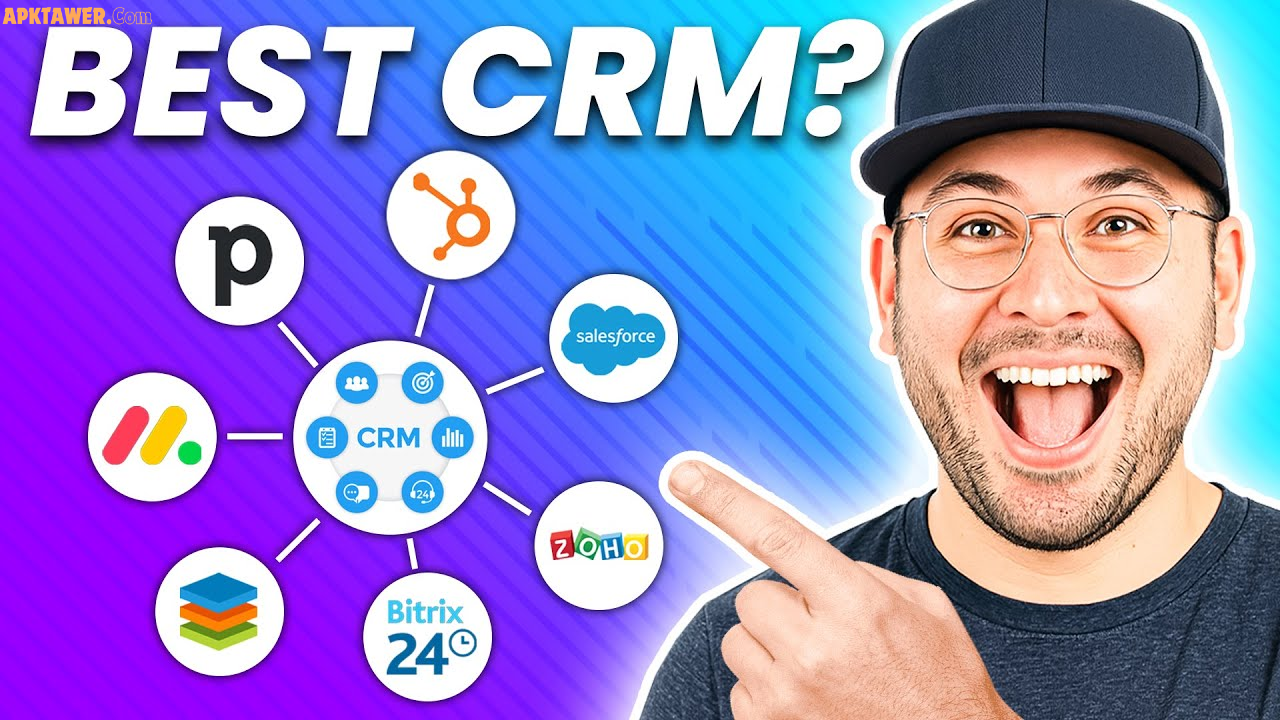
- HubSpot CRM Completely free for unlimited users and up to 1 million contacts. It excels at email tracking, deal pipelines, and basic automation. Ideal for startups needing a no-cost entry point that grows with you. Many teams start here and upgrade only when ready for advanced marketing tools.
- Bigin by Zoho CRM Editors’ Choice for small businesses moving from spreadsheets. Affordable plans, flexible dashboards, and strong pipeline management with payment collection options. Perfect if you want something simple yet powerful that integrates with other Zoho apps.
- Pipedrive Built around visual sales pipelines. Excellent for tracking deals, with 400+ integrations and AI-powered insights on lower plans. Small sales teams love how it keeps everyone focused on closing opportunities.
- Less Annoying CRM Straightforward and budget-friendly with one flat pricing plan. Unlimited custom fields, automatic logging of emails and tasks, and strong mobile support. Great for beginners who want minimal learning curve and maximum simplicity.
- monday.com CRM Highly visual with customizable templates and no-code automation. Supports unlimited pipelines and works well for teams already using project management tools. Strong choice if your business blends sales with operations.
These tools are all legitimate, widely used platforms with free trials or starter plans—explore them directly on their websites to see what fits your workflow.
Quick Comparison of Top CRM Tools
| Tool | Best For | Starting Price | Key Strength | Limitations |
|---|---|---|---|---|
| HubSpot CRM | Free all-in-one starter | Free | Unlimited users & contacts | Advanced features require upgrade |
| Bigin by Zoho | Spreadsheet replacement | Low-cost | Flexible dashboards | Fewer AI features on base plan |
| Pipedrive | Sales pipeline focus | Affordable | Visual deal tracking | Customization varies by plan |
| Less Annoying CRM | Simplicity & beginners | One flat rate | Easy setup & mobile | Basic reporting |
| monday.com CRM | Custom workflows | Mid-range | No-code automation | Best for 3+ users |
Choose based on your team size, budget, and whether you need heavy automation or just clean organization.
Pros and Cons of Using CRM Tools for Growth
Pros:
- Faster deal closing through organized pipelines and reminders.
- Better customer retention with complete interaction history.
- Data-driven decisions that highlight what’s working.
- Time savings from automation (often 10+ hours per week).
- Scalability as your business expands from 2 to 20+ users.
Cons:
- Initial setup takes time (though most offer import tools from spreadsheets).
- Learning curve for teams new to software.
- Free plans may have limits on contacts or advanced features.
- Over-customization can sometimes complicate simple needs.
The key is starting small—import your contacts, set up one pipeline, and expand features gradually.
Practical Tips and Best Practices for CRM Success
- Start Simple: Import existing contacts and focus on one sales stage first. Don’t try to automate everything on day one.
- Train Your Team: Show quick wins, like automatic reminders that prevent lost deals, to encourage adoption.
- Review Weekly: Spend 15 minutes checking dashboards for stalled deals or follow-up opportunities.
- Integrate Gradually: Connect your email and calendar first—most growth comes from consistent activity tracking.
- Measure What Matters: Track metrics like lead-to-customer conversion rate and average deal size to gauge real growth impact.
- Clean Data Regularly: Remove duplicates and update outdated info to keep insights accurate.
Real example: A freelance marketing agency used these tips with Pipedrive and grew from 5 to 15 monthly clients in six months by spotting upsell opportunities in their CRM data.
FAQs About CRM Tools for Small Business Growth
What is the best free CRM for small businesses? HubSpot CRM is widely regarded as the top free option because it offers unlimited users, strong pipeline tools, and easy scaling without credit card requirements.
How much does a CRM cost for a small business? Many start free or under $20 per user per month. Paid plans unlock automation and advanced reporting—choose based on your team size and growth stage.
Do I need a CRM if I’m a solo founder? Yes—tools like Bigin by Zoho or Less Annoying CRM are designed exactly for solopreneurs and make lead follow-up effortless.
How long does it take to set up a CRM? Most users are up and running in under a week. Start with data import and one pipeline for quickest results.
Can a CRM really help my business grow? Absolutely. Businesses using CRM see higher customer retention, faster sales cycles, and better forecasting—key drivers of sustainable growth.
Conclusion
The right CRM tool turns customer relationships from a daily scramble into a growth engine. Whether you choose the free power of HubSpot, the simplicity of Less Annoying CRM, or the pipeline focus of Pipedrive, the most important step is getting started and staying consistent.
Explore these tools with their free trials or starter plans, pick one that matches your current needs, and watch how organized customer data fuels real business growth. Your future self (and your customers) will thank you.
Ready to take the next step? Learn more about these CRM options and find the perfect fit for your small business today.