
In a world where teams juggle endless emails, reports, approvals, and data entry, even small inefficiencies add up fast. AI automation changes that by intelligently handling routine work, adapting on the fly, and letting people focus on what truly matters—creativity, strategy, and growth.
Whether you run a small business, manage a remote team, or lead projects across departments, this guide shows exactly how AI can simplify daily operations. You’ll learn what AI workflow automation really is, its biggest benefits, the most practical tools, and step-by-step ways to implement it safely and effectively—no coding required.
What Is AI Workflow Automation?
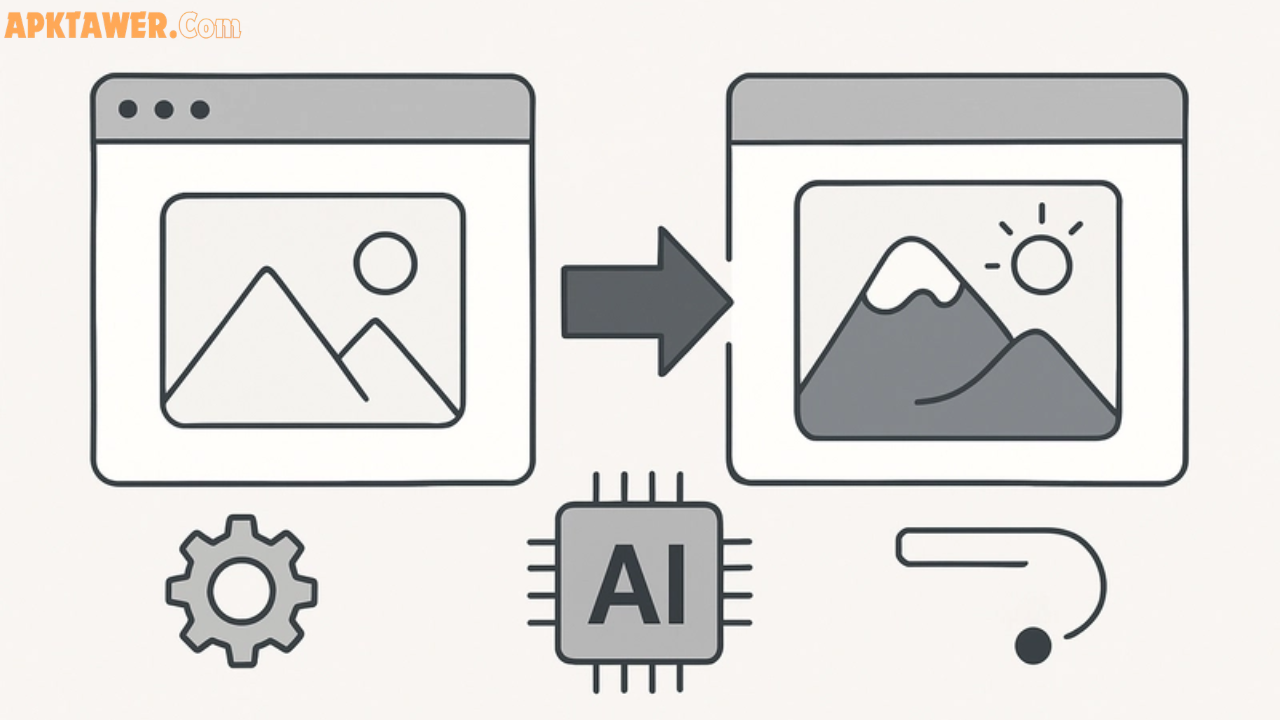
AI workflow automation uses artificial intelligence to manage and optimize business processes with minimal human input. Unlike traditional automation that follows strict, pre-set rules (like “if this, then that”), AI-powered systems learn from data, recognize patterns, and make smart decisions in real time.
It combines technologies like machine learning, natural language processing, and intelligent document handling to process unstructured information—think emails, forms, or chat messages—and adapt as conditions change. The result? Faster, more accurate workflows that evolve with your business.
In simple terms, it turns repetitive manual work into seamless, self-improving processes that run 24/7.
Key Benefits of AI Automation for Your Workflow
AI automation delivers measurable improvements across the board. Here are the main advantages:
- Higher operational efficiency: It eliminates time-consuming tasks like data entry, ticket routing, and scheduling, so teams complete work faster and with less effort. Studies show productivity gains of up to 40% in many organizations.
- Fewer errors and greater accuracy: AI handles detail-oriented work consistently, reducing human mistakes in areas like invoice processing or report generation.
- Better decision-making: Real-time data analysis spots trends, predicts bottlenecks, and suggests next steps—helping leaders act quickly and confidently.
- Scalability without extra headcount: As your business grows, AI handles increased volume automatically, whether it’s processing more customer requests or managing larger document flows.
- Improved employee experience: By removing drudgery, people spend more time on creative and strategic work, leading to higher satisfaction and retention.
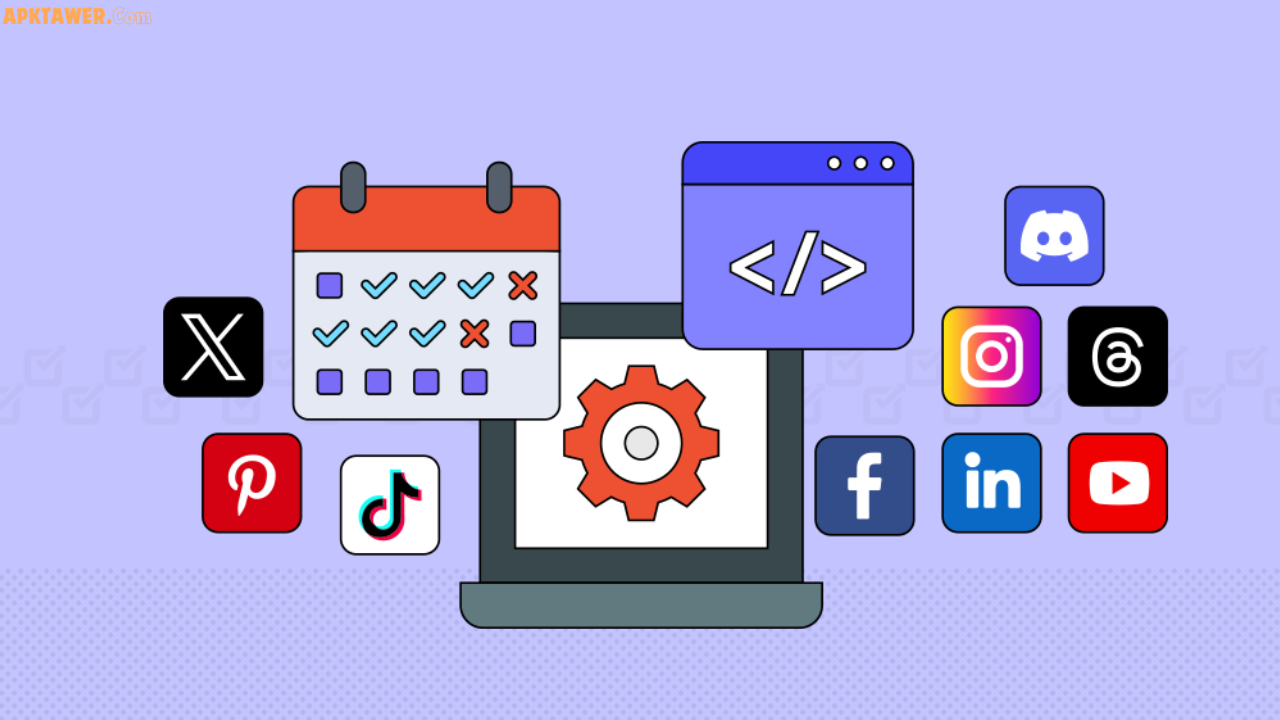
Real-life example: A marketing team once spent hours manually sorting leads and scheduling social posts. After introducing AI automation, the system scored leads, drafted personalized content, and posted at optimal times—freeing the team to focus on campaign strategy and creative ideas.
Best Tools and Methods for AI Workflow Automation
You don’t need to be a tech expert to get started. Many no-code and low-code platforms make it simple for anyone to build smart workflows. Here are some reliable, widely used options in 2026:
- Zapier: Excellent for beginners and non-technical users. Connect thousands of apps with simple “Zaps” and add AI actions for smarter triggers. Great for email automation, CRM updates, and content workflows.
- Make (formerly Integromat): Ideal for complex, multi-step processes with visual branching and data transformations. Perfect if your workflows involve conditional logic or detailed data handling.
- n8n: A flexible, open-source-friendly choice for teams wanting more control. It supports custom code when needed and excels at self-hosted or enterprise setups.
- Microsoft Power Automate: Seamless if you already use Microsoft 365 or Teams. It includes built-in AI capabilities for document processing, approvals, and chat-based automation.
- Google Workspace AI features (with tools like Gemini): Best for Gmail, Docs, and Sheets users. Automate email replies, data analysis in spreadsheets, and meeting summaries effortlessly.
Start with one tool that matches your existing apps. Most offer free plans or trials, so you can test without commitment. The key is choosing platforms that integrate securely with your current systems and scale as you grow.
Pros and Cons of AI Workflow Automation
Pros
- Saves significant time and reduces costs long-term.
- Adapts to changing needs better than rule-based systems.
- Provides valuable insights through data analysis.
- Improves consistency across teams and departments.
Cons
- Requires initial setup time to map processes accurately.
- May need training for teams to fully adopt new tools.
- Data privacy and security must be managed carefully.
- Over-reliance without human oversight can miss nuanced situations.
A balanced approach—starting small and keeping people in the loop—helps you maximize the upsides while minimizing drawbacks.
Practical Tips and Best Practices
Ready to implement? Follow these actionable steps for smooth results:
- Start small: Pick one repetitive process (like expense approvals or customer onboarding) and automate it first. Measure results before expanding.
- Map your current workflow: Document every step and identify bottlenecks. Ask: Where do delays happen? What data is manual?
- Choose the right starting tool: Match it to your team’s tech comfort level and existing software.
- Train and involve your team early: Show clear benefits and address concerns about job changes. Celebrate quick wins to build excitement.
- Monitor, measure, and refine: Track metrics like time saved, error rates, and employee feedback. Use built-in analytics in most tools to keep improving.
- Prioritize security and compliance: Select platforms with strong encryption and access controls, especially for sensitive data.
Pro tip: Combine AI with human review for critical decisions. This “human-in-the-loop” method keeps accuracy high while building trust.
FAQs
What is the difference between AI automation and traditional automation? Traditional automation follows fixed rules, while AI automation learns from data, handles unstructured information, and adapts to new situations automatically.
Do I need coding skills to use AI workflow tools? No. Most popular tools like Zapier and Make are no-code or low-code, with drag-and-drop interfaces designed for non-technical users.
How much does AI workflow automation cost? Pricing varies. Many tools offer free tiers for small teams, with paid plans starting around $20/month. ROI often appears quickly through time savings.
Can small businesses benefit from AI automation? Absolutely. Small teams often see the biggest gains because automation levels the playing field against larger competitors by freeing up limited resources.
Is AI automation secure for business data? Yes—when you choose reputable platforms with encryption, compliance standards, and audit trails. Always review privacy settings and start with non-sensitive processes.
Conclusion
AI automation isn’t about replacing people—it’s about removing friction so your team can do their best work. By streamlining repetitive tasks, reducing errors, and providing smarter insights, it helps businesses of all sizes stay competitive and agile in 2026 and beyond.
Start exploring tools today, pick one small workflow to automate, and watch productivity rise. The future of work is more efficient, more creative, and far less stressful—ready when you are.
Explore tools like Zapier or Microsoft Power Automate to get started and see what AI can do for your workflow.