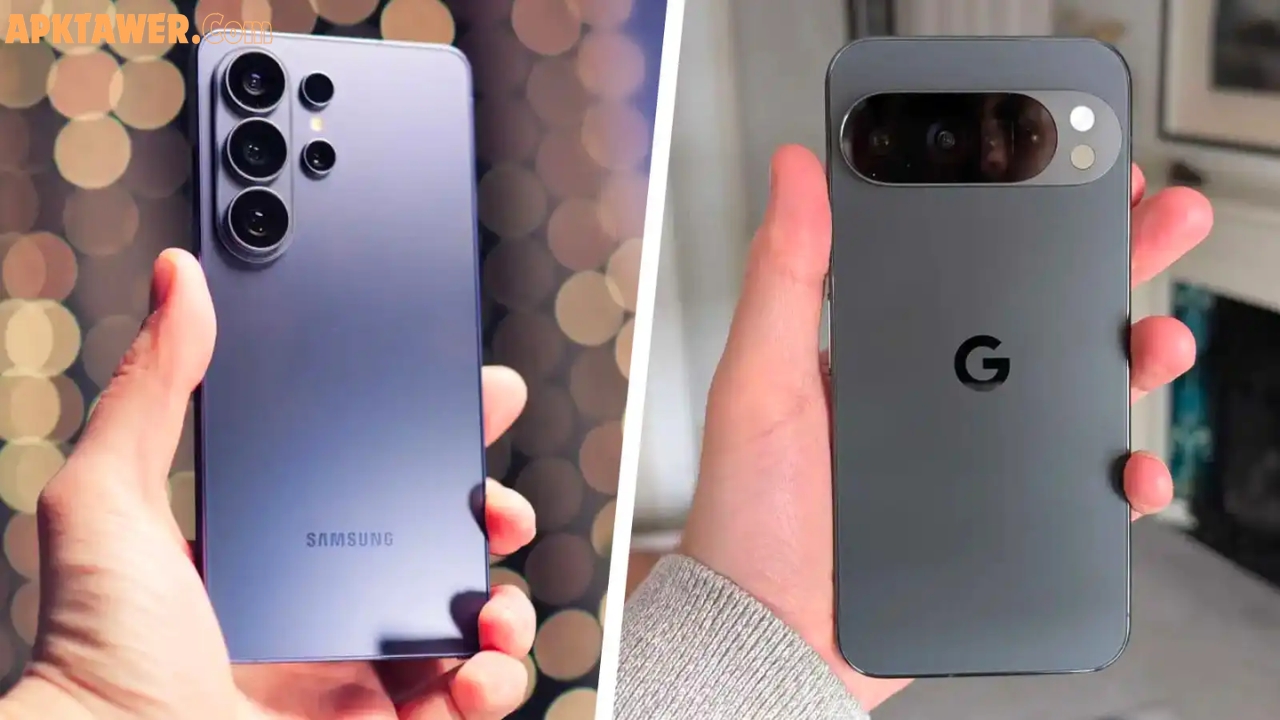

Buying a smartphone today is really a 5–7 year decision. Whether you pick a Google Pixel or a Samsung Galaxy, you want to know it will stay secure, receive new features, and remain useful well into the future.
In 2026, both brands have made bold promises about long-term software support — but there are meaningful differences in how those promises play out in the real world. This guide breaks down everything you need to know: update timelines, delivery speed, security, AI features, and which device is truly worth your money over the long haul.
What Are Software Updates and Why Do They Matter?
Software updates are periodic releases from a phone manufacturer that include new features, performance improvements, and — most critically — security patches. There are two main types:
OS (operating system) updates bring a new version of Android with fresh capabilities, design changes, and improved app compatibility. Security patches are smaller, more frequent releases that fix vulnerabilities hackers could exploit to access your personal data.
A phone without regular security updates is like a house with an old, easily picked lock. You might not notice anything wrong day-to-day, but the risk quietly grows over time. When a manufacturer commits to multi-year updates, they’re essentially promising to keep that lock strong for the life of the device.
Google vs Samsung Update Policy in 2026: The Big Picture
Both Google and Samsung now promise an impressive seven years of software updates for their flagship devices, including major Android version upgrades and crucial security patches — greatly enhancing the longevity and value of your investment.
This is a landmark shift for Android. Not long ago, most Android phones received two to three years of support at best. Here’s where each brand stands today:
Google Pixel (Pixel 8 and later): Google surprised the industry by promising 7 years of guaranteed updates and patches on its Pixel phones starting with recent flagship releases — a major leap for Android, which historically suffered from fragmented software update schedules.
Samsung Galaxy (S24 and later): Samsung offers seven years of software updates to its flagship Galaxy phones and tablets, and six years to budget and mid-range A-series models — a commitment that puts it in a league of its own.
Key Differences: How Google and Samsung Handle Updates
Even though both brands share the same 7-year headline number, how they deliver updates is quite different.
Update Speed
Pixel phones typically receive updates on day one, while Samsung integrates them into its One UI, often resulting in a slightly later rollout. In practice, this means a Pixel user might receive a new Android version weeks or even a full month before a comparable Galaxy user does.
For most people, this delay is not a dealbreaker. But if you care about being first to access new Android features, Google has a structural advantage — it makes Android, so its own phones naturally get priority.
The Software Experience: Stock Android vs One UI
Google Pixel runs a clean, near-stock version of Android. It’s minimal, fast, and consistent. Samsung’s One UI, on the other hand, adds a significant layer of customization on top of Android — extra apps, productivity tools like Samsung DeX, and deep integration with Samsung’s own ecosystem of tablets, wearables, and home devices.
Samsung’s One UI already layers a lot on top of Android, which sometimes makes system updates feel invisible — but in the April 2026 release, security and stability improvements reduce crashes, tighten data protection, and keep everything running smoothly.
Neither approach is objectively better. Stock Android appeals to users who want simplicity and speed. One UI wins for users who want more options and deeper customization.
AI Features
Google’s Pixel phones, powered by their custom Tensor chips, are renowned for their deep AI integration directly into the Android operating system. Features like real-time call screening, Live Translate, and on-device AI photo tools are baked into the hardware-software combination.
Samsung counters with Galaxy AI — a suite of productivity and creative tools that spans its entire device lineup. Both are genuinely impressive in 2026, and the gap between them has narrowed considerably.
Which Devices Qualify for 7-Year Support?
Not every phone from either brand automatically qualifies for the full 7-year promise. Here’s a clear breakdown:
Google: The Google Pixel 9 series offers the best long-term software support in the Android world with a guaranteed 7 years of OS updates and security patches. Older Pixel 8 devices carry the same 7-year commitment but with fewer years remaining.
Samsung: Galaxy S, Z, and Tab S series models launched in 2024 and later are eligible for seven years of updates. Select Galaxy A series models launched in late 2024 and later will get six years of updates.
A practical tip: always check the remaining years of support, not just the initial commitment. A Pixel 9 bought today has the full 7 years ahead of it. A Galaxy S21 bought secondhand in 2026? Those phones arrived before Samsung’s seven-year update pledge and have been thoroughly retired as of early 2026.
Pros and Cons
Google Pixel — Pros and Cons
Pros:
- Receives Android updates the moment they’re available
- Clean, distraction-free software experience
- Strong on-device AI features via Tensor chip
- Consistent monthly security patches
- Often priced slightly below Samsung flagships
Cons:
- Fewer hardware variety options (limited lineup)
- Ecosystem is less expansive than Samsung’s
- Software experience may feel sparse for power users
Samsung Galaxy — Pros and Cons
Pros:
- Matches Google’s 7-year update promise on flagships
- Feature-rich One UI with extensive customization
- Wider range of devices (foldables, budget A-series, tablets)
- Strong global availability and retail support
- Powerful hardware with premium displays
Cons:
- Updates arrive slightly later than on Pixel
- Pre-installed apps and One UI layer can feel heavy
- Not all Galaxy models carry the full 7-year policy
Practical Tips for Choosing the Right Phone for Long-Term Use
1. Buy newer, not cheaper. In 2026, buy phones with longer remaining support — a Pixel 9 with 7 years left beats a Pixel 6 with 3 years left, even if the Pixel 6 is cheaper. The same logic applies to Samsung devices.
2. Check the model, not just the brand. A Galaxy S26 Ultra carries 7-year support. A Galaxy A15 from 2023 does not. Always verify the specific model’s update commitment before purchasing.
3. Prioritize security patches over OS upgrades. Security updates patch critical vulnerabilities that hackers could exploit. A phone without OS upgrades might look dated, but a phone without security updates is unsafe for banking and personal data.
4. Think about resale value. A phone with 5–6 years of support remaining is worth significantly more on the secondhand market than one with 1–2 years left.
5. Match the ecosystem to your life. If you already use a Samsung tablet, Galaxy Watch, or Samsung TV, a Galaxy phone integrates more seamlessly. If you’re a Google services user (Gmail, Google Photos, Google One), a Pixel fits more naturally.
Google vs Samsung: Side-by-Side Comparison
| Feature | Google Pixel (Flagship) | Samsung Galaxy (Flagship) |
|---|---|---|
| OS Updates | 7 years | 7 years |
| Security Patches | 7 years | 7 years |
| Update Delivery Speed | Day one | Weeks after release |
| Software Style | Stock Android | One UI (feature-rich) |
| AI Integration | Tensor chip, deep on-device AI | Galaxy AI suite |
| Budget Options | Limited | Galaxy A-series (6 years) |
| Ecosystem | Google services | Samsung + Google |
FAQs
Q: Do both Google and Samsung really offer 7 years of updates? Yes. As of 2026, both Google and Samsung are the market leaders for mainstream Android devices, offering seven years of both OS upgrades and security updates. This applies to flagship models released from 2024 onward for Samsung, and from the Pixel 8 generation onward for Google.
Q: Which brand releases updates faster? Google Pixel receives updates on day one since Google makes Android. Samsung’s updates typically arrive a few weeks later after One UI integration and testing.
Q: Is a Samsung Galaxy A-series phone a good long-term choice? Select Galaxy A-series models launched in late 2024 and later will get six years of updates, making them excellent value for budget-conscious buyers who still want long-term security.
Q: Will software updates slow down my phone over time? Modern processors are powerful enough to handle years of software advancements, but some slowdown is possible as apps become more demanding. Flagship-tier phones from 2024 onward are generally well-equipped to handle updates through their full support window.
Q: Which is better for someone who wants simplicity? Google Pixel. Its near-stock Android experience is clean, predictable, and fast. Samsung’s One UI is more powerful but comes with a steeper learning curve and more pre-installed apps.
Conclusion
In 2026, the gap between Google and Samsung on long-term software support has effectively closed at the top end — both deliver 7 years of OS and security updates on their flagship lines. The real difference lies in how you want to experience those updates.
Choose Google Pixel if you value being first in line for every Android feature, prefer a clean and minimal software experience, and rely heavily on Google’s AI and services ecosystem.
Choose Samsung Galaxy if you want a richer, more customizable experience, a broader range of hardware (including foldables and budget options), and deep integration across a wider device ecosystem.
Either way, both brands represent a smart long-term investment. The days of replacing your phone every two years just to stay secure are behind us — and that’s genuinely good news for your wallet and the planet.
Explore the latest Pixel and Galaxy lineups on their official product pages to compare current models and find the right fit for your needs.