
In an era where every website, advertiser, and even your internet provider can track your every move, browsing the web privately isn’t just a nice-to-have—it’s essential. Whether you’re shopping online, researching sensitive topics, or simply value your digital freedom, protecting your privacy helps you avoid targeted ads, data leaks, and unwanted surveillance.
This guide breaks it all down in plain English. You’ll learn exactly what private browsing means, why basic “incognito” mode falls short, and the most effective (and safe) ways to stay anonymous online. By the end, you’ll have practical tools and habits you can start using today—no tech expertise required.
What Is Private Web Browsing?
Private web browsing means exploring the internet without leaving obvious traces of your activity. At its most basic level, it prevents your browser from saving your history, cookies, or search data on your device.
However, true privacy goes further: it also aims to hide your activity from websites, advertisers, your internet service provider (ISP), and potential hackers. Think of it as two layers—local privacy (what others on your device see) and online anonymity (what the world sees).
The goal? Reduce tracking through cookies, digital fingerprints, and your IP address so companies can’t build detailed profiles about you.
Key Features and Benefits of Private Browsing
Browsing privately offers real-world advantages that go beyond just hiding your history:
- Blocks unwanted tracking: Stops third-party cookies and trackers that follow you across sites for personalized ads.
- Protects your data on public Wi-Fi: Reduces risks when using coffee shop or airport networks.
- Prevents price discrimination: Some sites raise prices based on your browsing history or location—private tools help avoid this.
- Gives you peace of mind: Ideal for shared devices, sensitive research, or simply keeping personal matters private.
- Enhances overall security: Many private methods also block malware and phishing attempts.
In short, it puts you back in control of your digital footprint.
Best Tools and Methods for Private Browsing
Here are the most reliable, legal, and user-friendly options available in 2026. All are free to start with and come from trusted sources.
1. Browser Private/Incognito Modes (Quick Start)
Most major browsers offer this built-in feature:
- Google Chrome: Ctrl + Shift + N (Windows) or Command + Shift + N (Mac).
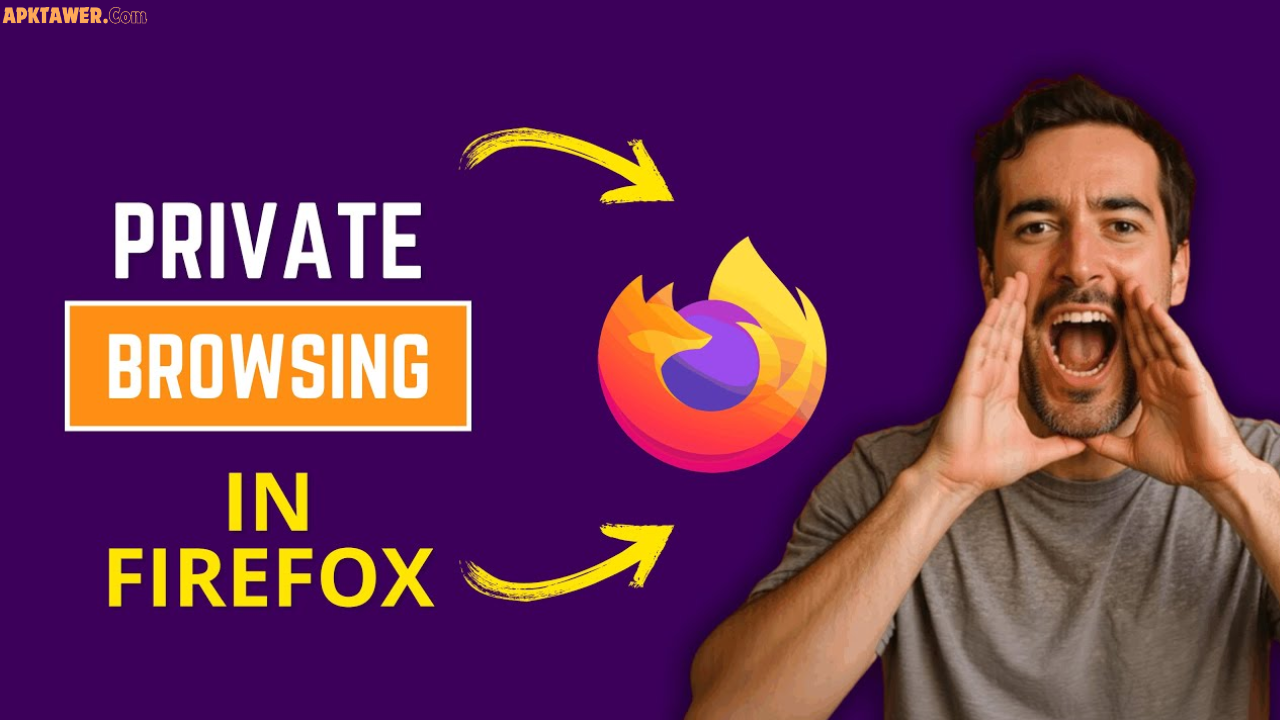
- Firefox: Ctrl + Shift + P or click the menu → New Private Window.
- Safari: Swipe to Private Browsing or use the menu.
- Microsoft Edge: Similar shortcut as Chrome.
How it works: It doesn’t save history, cookies, or site data after you close the window. Great for one-off tasks on a shared computer.
Limitation: Your ISP and websites can still see what you’re doing. It’s privacy on your device only—not full anonymity.
2. Privacy-Focused Browsers (Recommended Daily Drivers)
These go beyond incognito by actively blocking trackers:
- Brave: Blocks ads, trackers, and fingerprints by default. Fast, Chromium-based, and includes a built-in private search engine. Top-rated for everyday use.
- DuckDuckGo Browser: Excellent for search privacy—shows you exactly what trackers it blocked on each site. Clean interface and easy cookie management.
- Firefox: Strong tracking protection with Total Cookie Protection. Highly customizable and non-Chromium for added security.
These browsers are free, regularly updated, and work on desktop and mobile.
3. Tor Browser (For Maximum Anonymity)
Download the official Tor Browser from the Tor Project website. It routes your traffic through multiple encrypted relays, hiding your IP address and making it extremely difficult to trace your activity.
Best for: Sensitive research or when you need near-total anonymity. It’s slower than regular browsing but incredibly effective.
4. Combine with a Trusted VPN
A VPN encrypts all your internet traffic and masks your IP address across your entire device (not just the browser). Pair it with any of the above for the strongest protection.
Look for reputable providers that offer no-logs policies and strong encryption. Many have free trials or limited free versions to test.
5. Private Search Engines
Switch from Google to DuckDuckGo or Startpage. They don’t track or personalize results, so your searches stay private.
Comparison of Private Browsing Methods
| Method | Local Privacy (Device) | Hides from ISP/Websites | Speed | Ease of Use | Best For |
|---|---|---|---|---|---|
| Incognito Mode | High | Low | Very Fast | Very Easy | Quick, shared-device tasks |
| Privacy Browsers (Brave, DuckDuckGo) | High | High | Fast | Easy | Daily browsing |
| Tor Browser | High | Very High | Slow | Moderate | High-risk anonymity |
| VPN + Browser | Very High | Very High | Fast | Easy | Full-device protection |
Choose based on your needs—most people start with a privacy browser and add a VPN when needed.
Pros and Cons of Browsing Privately
Pros:
- Reduces targeted advertising and data collection.
- Improves security on public networks.
- Gives control over your personal information.
- Free or low-cost tools available.
Cons:
- Some methods (like Tor) can slow down browsing.
- Certain sites may block or limit features in private modes.
- No method is 100% foolproof—complete anonymity is challenging.
- Requires a few extra steps to set up properly.
The benefits far outweigh the drawbacks for most users.
Practical Tips and Best Practices
Make private browsing a habit with these actionable steps:
- Always use HTTPS-enabled sites (look for the padlock icon).
- Clear your cache and cookies regularly, even in private modes.
- Avoid logging into personal accounts unless necessary.
- Enable automatic updates for your browser and operating system.
- Use strong, unique passwords and two-factor authentication.
- Disable unnecessary browser permissions like location or microphone access.
- Test your setup occasionally with free tools like EFF’s Cover Your Tracks.
- Combine methods: privacy browser + VPN offers the best balance for most people.
Start small—one new tool or habit at a time—and you’ll notice the difference quickly.
FAQs About Private Web Browsing
Is incognito mode truly private? No. It only hides your activity from other users on the same device. Your ISP, websites, and advertisers can still track you.
Do I need a VPN to browse privately? It’s highly recommended for full protection. A VPN hides your IP address and encrypts everything, while private browsers focus on tracker blocking.
What is the best private browser in 2026? Brave and DuckDuckGo lead for everyday use, while Tor excels for maximum anonymity. Firefox is a strong all-rounder.
Can websites still track me in private mode? With basic incognito, yes. Privacy-focused browsers and Tor make tracking much harder by blocking cookies and fingerprints.
Is Tor safe for everyday browsing? Yes, it’s very safe, but it’s slower and some sites don’t work well with it. Use it when you need extra protection.
Conclusion
Browsing the web privately is easier and more important than ever. By understanding the limits of incognito mode and choosing the right combination of tools—like privacy browsers, Tor, or a trusted VPN—you can enjoy a safer, less tracked online experience.
Start exploring these options today. Your data, your rules. Take the first step toward greater online privacy—you’ll thank yourself later.