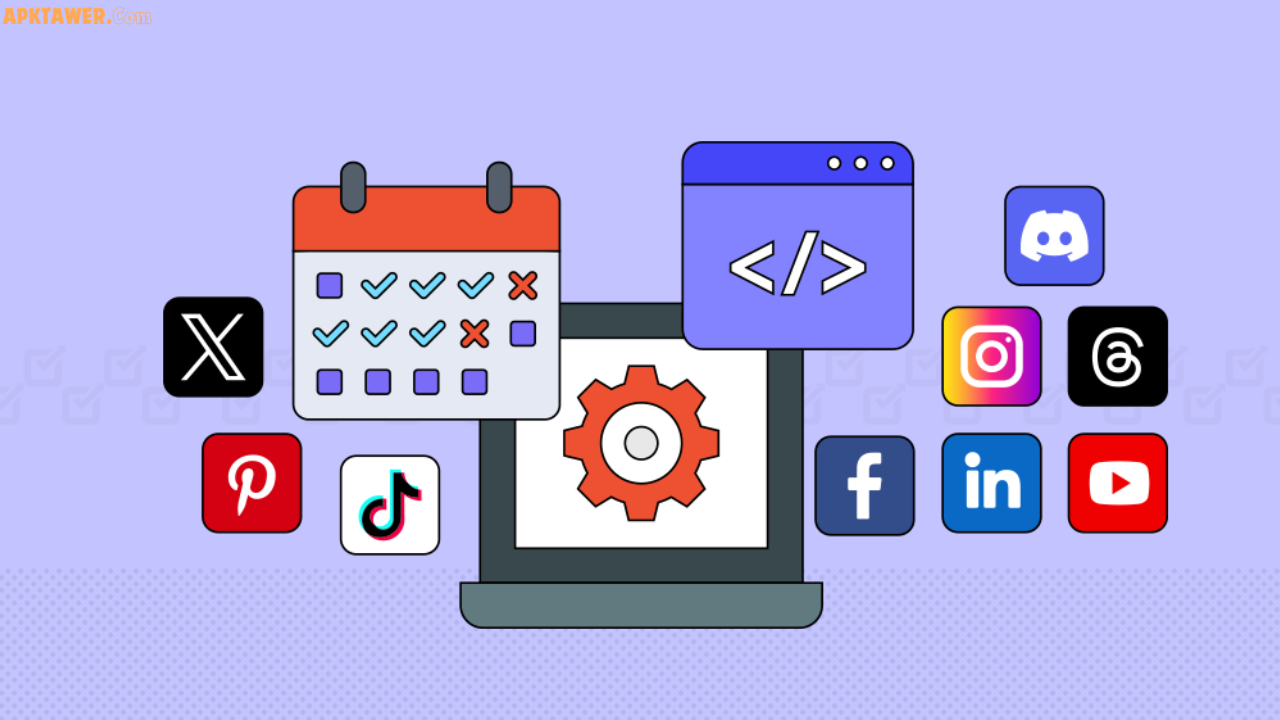

Social media moves fast, and eye-catching graphics can make the difference between a scroll-past and a double-tap. Whether you’re a small business owner, content creator, or marketer, creating professional-looking posts, stories, reels, and carousels no longer requires a design degree or expensive software.
In this guide, you’ll learn what the top platforms for creating social media graphics offer, their key benefits, how they compare, and practical tips to get the most out of them. You’ll walk away ready to design scroll-stopping visuals that work across every major platform—no steep learning curve required.
What Are Platforms for Creating Social Media Graphics?
These are user-friendly online tools (often called graphic design platforms) built specifically for making visuals optimized for social media. Think drag-and-drop editors, ready-made templates sized perfectly for Instagram stories, Facebook ads, LinkedIn carousels, TikTok videos, and more.
Unlike traditional design software like Photoshop, these platforms focus on speed and simplicity. They provide millions of stock photos, icons, fonts, and animations so anyone—from complete beginners to experienced marketers—can create branded, high-quality graphics in minutes.
Key Features and Benefits of Top Social Media Graphic Platforms
Modern platforms deliver far more than basic editing. Here’s what sets the best ones apart:
- Drag-and-drop templates — Start with professionally designed layouts for every platform and format, then customize in seconds.
- Brand kits — Upload your logo, colors, and fonts once and apply them consistently across all designs.
- AI-powered tools — Generate images, remove backgrounds, suggest layouts, or resize designs automatically.
- Mobile apps — Design on the go from your phone and post directly to social channels.
- Collaboration features — Teams can comment, edit, and approve designs in real time.
- Easy export and scheduling — Download in the right size or connect to scheduling tools for seamless posting.
These features save hours every week, help maintain a consistent brand look, and boost engagement because visuals that feel professional simply perform better.
Best Platforms for Creating Social Media Graphics
Here are the standout options in 2026, chosen for their ease of use, reliable free plans, and real value for global users:
Canva The go-to choice for most people. It boasts millions of templates, an intuitive editor, and strong AI features like Magic Design. Perfect for quick posts, carousels, and stories. Free plan is generous; Pro unlocks brand kits and more storage. Ideal for beginners and small teams who want speed without sacrificing quality.
Adobe Express A powerful yet simple alternative with excellent photo editing, generative AI (powered by Firefly), and seamless Creative Cloud integration. Great if you want more advanced controls like blend modes and text effects while still keeping things fast. Free plan includes solid AI credits; premium adds unlimited assets. Excellent for scaling side hustles or growing brands.
VistaCreate Formerly Crello, this platform shines with animations, video templates, and a huge free asset library. One-click brand styles and motion graphics make it stand out for dynamic content like Instagram Reels or TikTok ads. Generous free storage and templates make it a strong all-rounder for both social and print needs.
Snappa Super lightweight and fast—perfect when you only need occasional graphics. Preset dimensions for every social platform, royalty-free stock, and no-nonsense interface. Free plan allows limited downloads; Pro removes restrictions. Great for marketers who want simplicity without extra bells and whistles.
Figma Best for teams and more complex projects. Real-time collaboration, reusable components, and plugins turn it into a professional workflow tool. While it has fewer ready-made social templates than Canva, its flexibility and scalability win for growing brands and design-heavy campaigns. Free Starter plan is robust.
Desygner A hidden gem for ultra-quick designs. Its Auto Design feature lets you upload a photo and text, then instantly generates polished variations. Mobile-friendly with millions of assets—ideal for on-the-go creators. Free plan is practical; paid unlocks team features and AI extras.
Quick Comparison of Top Platforms
| Platform | Best For | Ease of Use | Free Plan Strength | Standout Feature | Pricing (Premium starts) |
|---|---|---|---|---|---|
| Canva | Beginners & templates | Very High | Excellent | Magic Design AI | ~$15/mo |
| Adobe Express | Advanced editing + AI | High | Strong | Firefly generative AI | ~$10/mo |
| VistaCreate | Animations & motion | High | Very Good | Motion graphics | ~$13/mo |
| Snappa | Quick one-off graphics | Very High | Good (limited) | Preset social sizes | ~$15/mo |
| Figma | Teams & custom workflows | Medium | Good | Real-time collaboration | ~$20/mo |
| Desygner | Speed with Auto Design | High | Practical | One-click template magic | ~$13/mo |
All options are web-based with mobile apps and work worldwide.
Pros and Cons of Using These Platforms
Pros
- Accessible to non-designers
- Huge time savings with templates and AI
- Consistent branding across platforms
- Affordable (most have capable free tiers)
- Regular updates with new features like better AI
Cons
- Free plans have some limitations on assets or exports
- Advanced customization may still feel restricted compared to pro desktop software
- Over-reliance on templates can lead to generic designs if you don’t customize
- Learning curve exists for team features or advanced AI tools
Overall, the pros far outweigh the cons for 95% of social media needs.
Practical Tips and Best Practices
- Start with your brand kit — Upload logos, colors, and fonts first so every design stays on-brand automatically.
- Customize templates — Use them as a starting point, then swap images, tweak text, and add your personality to avoid looking generic.
- Batch your designs — Spend one hour creating 10–20 posts instead of designing daily. Tools like Canva’s Magic Resize make this effortless.
- Match dimensions to platforms — Instagram Reels need vertical 9:16; LinkedIn carousels work best as PDF-style multi-page designs. Most platforms show exact sizes.
- Test what performs — Post and check analytics—bright colors and faces often boost engagement.
- Combine with scheduling tools — Export designs and schedule them directly from Buffer, Later, or Hootsuite for a smooth workflow.
- Stay consistent but fresh — Stick to 3–5 core design styles while refreshing elements to match trends.
Real-life example: Many small businesses use Canva’s brand kit to create weekly Instagram carousels in under 30 minutes, leading to higher reach and stronger audience connection.
FAQs
What is the easiest platform for beginners to create social media graphics? Canva is widely considered the most beginner-friendly thanks to its massive template library and drag-and-drop interface.
Are these platforms completely free? Most offer generous free plans with thousands of templates and assets. Premium upgrades (starting around $10–15/month) remove limits and add advanced AI or storage.
Do I need design experience? No. These tools are built for non-designers. Templates and AI do most of the heavy lifting.
Can I use these graphics on any social media platform? Yes—every major tool provides exact dimensions and export options for Instagram, Facebook, TikTok, LinkedIn, X, Pinterest, and YouTube.
Which platform is best for teams? Figma or Canva Pro excel here with real-time collaboration, commenting, and shared brand assets.
Conclusion
The right platform for creating social media graphics can transform how quickly and professionally you show up online. Whether you choose Canva for speed, Adobe Express for power, or another option that fits your workflow, the key is starting simple, staying consistent, and experimenting as you grow.
Ready to create scroll-stopping visuals? Explore these tools, pick one that feels right, and start designing today—your audience will thank you.