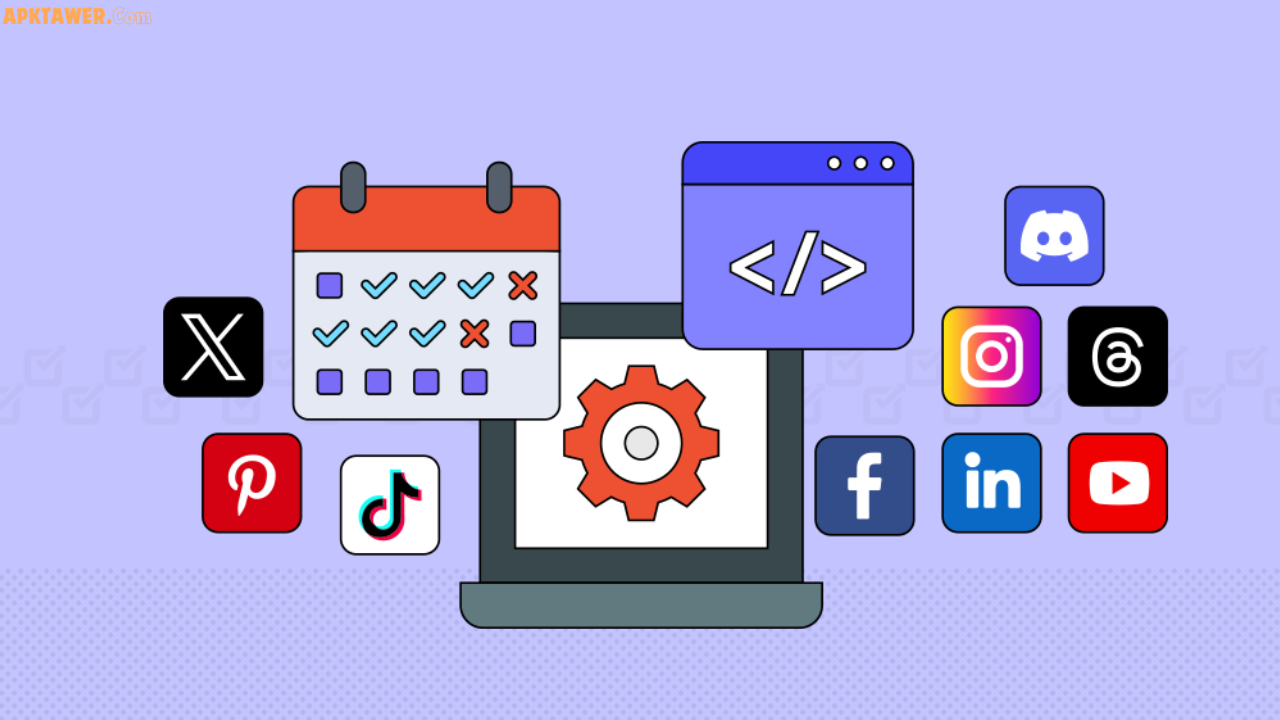

Building a website no longer requires coding skills or a big budget. In 2026, AI-powered tools, drag-and-drop editors, and smart templates make it possible for anyone—from freelancers and small business owners to creative professionals—to launch a polished, professional site in hours.
But with dozens of platforms available, picking the wrong one can mean wasted time, extra costs, or a site that doesn’t grow with you. This guide walks you through exactly how to choose the right website builder for your needs, so you can avoid common mistakes and get online with confidence.
What Is a Website Builder?
A website builder is an all-in-one online platform that lets you create, design, and host a website without writing code. Think of it as a visual construction kit: you pick a template, drag elements into place, add your content, and publish instantly.
Hosting, security, and basic tools (like forms or contact pages) are included, so you don’t need to manage servers or complicated software. Modern builders also offer mobile-friendly designs, SEO features, and integrations with email marketing or payment systems—making them ideal for beginners and growing businesses alike.
Key Features to Look for in a Website Builder
The “best” builder depends on your goals, but certain features separate good options from great ones in 2026. Here’s what matters most:
- Ease of use and drag-and-drop editor — Look for intuitive interfaces with real-time previews. AI assistants can now suggest layouts or generate text based on your description.
- Responsive, mobile-first design — Your site must look perfect on phones, tablets, and desktops without extra work.
- Templates and customization — Hundreds of professionally designed starters that you can tweak with colors, fonts, and sections.
- Built-in SEO and marketing tools — Meta titles, alt text suggestions, analytics, and social sharing features help your site rank and attract visitors.
- Ecommerce capabilities (if you sell products) — Shopping carts, secure payments, inventory tools, and abandoned-cart recovery.
- AI-powered features — Auto-generated sites, smart text suggestions, image optimization, and chatbots are now standard.
- Scalability and performance — Unlimited bandwidth, fast loading times, and easy upgrades as your traffic grows.
- Pricing transparency and value — Clear plans, free trials, and no hidden fees for domains or essential tools.
- Support and security — 24/7 help, SSL certificates, backups, and regular updates.
Prioritizing these ensures your site stays fast, secure, and easy to manage long-term.
Best Website Builders in 2026
Here are the standout options that consistently rank high for real users and experts. Each excels in different scenarios:
- Wix — Best overall for most people. Its powerful drag-and-drop editor, 2,000+ templates, and AI tools (like Harmony for site generation) make it incredibly flexible. Great for portfolios, small businesses, and blogs.
- Squarespace — Ideal for design-focused users. Stunning templates, fluid editing, and strong blogging/ecommerce tools. Perfect for creatives, photographers, and brands that want a polished look.
- Hostinger Website Builder — Best budget-friendly choice with AI. Extremely affordable, fast setup, and solid performance. Excellent for beginners or side projects.
- Webflow — Best for advanced customization without full coding. Visual CMS and animations appeal to designers and agencies needing professional-grade sites.
- Shopify — Top pick for online stores. Built specifically for selling, with powerful inventory, payments, and marketing features.
All these platforms offer free trials or starter plans, so you can test them risk-free.
Website Builder Comparison
Choosing between them is easier when you see them side by side. Here’s a quick neutral comparison of the top contenders:
| Builder | Best For | Starting Price (approx.) | Ease of Use | Key Strength | Best If You Need… |
|---|---|---|---|---|---|
| Wix | Most users & versatility | ~$17/mo | Very High | AI tools + huge template library | Flexibility & growth |
| Squarespace | Design & creativity | ~$16/mo | High | Beautiful templates & blogging | Professional aesthetics |
| Hostinger | Budget & quick launch | ~$3–12/mo | Very High | Affordable AI & speed | Low cost without compromise |
| Webflow | Advanced design | ~$14/mo | Medium | Custom animations & CMS | Design control & scalability |
| Shopify | Online stores | ~$29/mo | High | Full ecommerce tools | Selling products online |
Pick based on your main goal—design, budget, selling, or advanced features—rather than chasing the “best overall.”
Pros and Cons of Using Website Builders
Pros:
- Launch in days instead of weeks.
- No technical maintenance required.
- Affordable compared to hiring a developer.
- Built-in tools for SEO, security, and marketing.
- Easy to update yourself as your business grows.
Cons:
- Less flexibility than custom-coded sites for very complex projects.
- Monthly fees add up (though still cheaper than most alternatives).
- You’re tied to the platform’s ecosystem (exporting can be tricky).
- Advanced features may require upgrades.
The key is matching the platform to your current and future needs so the pros far outweigh any limitations.
Practical Tips and Best Practices
- Define your goals first — Are you building a portfolio, blog, service site, or store? List must-have features before browsing templates.
- Start with a free trial or plan — Test at least two builders with your own content to see what feels natural.
- Think long-term — Will you need ecommerce later? Multilingual support? Team access? Choose a platform that scales.
- Focus on speed and mobile — Use built-in optimization tools and always preview on different devices.
- Optimize for SEO from day one — Add clear page titles, descriptions, and alt text. Connect Google Analytics early.
- Back up regularly and secure your site — Enable SSL and use strong passwords.
- Get feedback — Share your draft site with friends or potential customers before launching.
Real-life example: A freelance graphic designer in Germany used Wix’s AI to create a beautiful portfolio in one afternoon, then added a booking system later—without switching platforms.
FAQs
What is the easiest website builder for beginners in 2026? Wix and Hostinger are the most beginner-friendly thanks to their intuitive editors and AI guidance that walks you through setup.
How much does a good website builder cost per month? Plans start as low as $3–17 per month for basic sites. Expect $16–29 for most full-featured plans with custom domains and ecommerce.
Do website builders include hosting and a domain? Yes—most include reliable hosting. Many offer a free custom domain for the first year on paid plans.
Can I switch website builders later if I change my mind? It’s possible but not always easy. Export your content and design elements where available, or hire a specialist for complex migrations. Starting with the right one saves hassle.
Are AI website builders worth it in 2026? Absolutely for getting started fast. They generate a solid first draft you can refine. Just review and personalize the AI output for the best results.
Conclusion
Choosing the right website builder in 2026 comes down to understanding your needs, prioritizing key features like ease of use, design quality, and scalability, and testing a couple of options yourself. Whether you want a simple portfolio or a full online store, today’s tools make it possible to create something professional without stress.
Take a moment to define your goals, explore the free trials of Wix, Squarespace, Hostinger, or others that match your style, and get started. Your perfect website is just a few clicks away—happy building!
Explore the tools and launch your site today.Building a website no longer requires coding skills or a big budget. In 2026, AI-powered tools, drag-and-drop editors, and smart templates make it possible for anyone—from freelancers and small business owners to creative professionals—to launch a polished, professional site in hours.
But with dozens of platforms available, picking the wrong one can mean wasted time, extra costs, or a site that doesn’t grow with you. This guide walks you through exactly how to choose the right website builder for your needs, so you can avoid common mistakes and get online with confidence.
What Is a Website Builder?
A website builder is an all-in-one online platform that lets you create, design, and host a website without writing code. Think of it as a visual construction kit: you pick a template, drag elements into place, add your content, and publish instantly.
Hosting, security, and basic tools (like forms or contact pages) are included, so you don’t need to manage servers or complicated software. Modern builders also offer mobile-friendly designs, SEO features, and integrations with email marketing or payment systems—making them ideal for beginners and growing businesses alike.
Key Features to Look for in a Website Builder
The “best” builder depends on your goals, but certain features separate good options from great ones in 2026. Here’s what matters most:
- Ease of use and drag-and-drop editor — Look for intuitive interfaces with real-time previews. AI assistants can now suggest layouts or generate text based on your description.
- Responsive, mobile-first design — Your site must look perfect on phones, tablets, and desktops without extra work.
- Templates and customization — Hundreds of professionally designed starters that you can tweak with colors, fonts, and sections.
- Built-in SEO and marketing tools — Meta titles, alt text suggestions, analytics, and social sharing features help your site rank and attract visitors.
- Ecommerce capabilities (if you sell products) — Shopping carts, secure payments, inventory tools, and abandoned-cart recovery.
- AI-powered features — Auto-generated sites, smart text suggestions, image optimization, and chatbots are now standard.
- Scalability and performance — Unlimited bandwidth, fast loading times, and easy upgrades as your traffic grows.
- Pricing transparency and value — Clear plans, free trials, and no hidden fees for domains or essential tools.
- Support and security — 24/7 help, SSL certificates, backups, and regular updates.
Prioritizing these ensures your site stays fast, secure, and easy to manage long-term.
Best Website Builders in 2026
Here are the standout options that consistently rank high for real users and experts. Each excels in different scenarios:
- Wix — Best overall for most people. Its powerful drag-and-drop editor, 2,000+ templates, and AI tools (like Harmony for site generation) make it incredibly flexible. Great for portfolios, small businesses, and blogs.
- Squarespace — Ideal for design-focused users. Stunning templates, fluid editing, and strong blogging/ecommerce tools. Perfect for creatives, photographers, and brands that want a polished look.
- Hostinger Website Builder — Best budget-friendly choice with AI. Extremely affordable, fast setup, and solid performance. Excellent for beginners or side projects.
- Webflow — Best for advanced customization without full coding. Visual CMS and animations appeal to designers and agencies needing professional-grade sites.
- Shopify — Top pick for online stores. Built specifically for selling, with powerful inventory, payments, and marketing features.
All these platforms offer free trials or starter plans, so you can test them risk-free.
Website Builder Comparison
Choosing between them is easier when you see them side by side. Here’s a quick neutral comparison of the top contenders:
| Builder | Best For | Starting Price (approx.) | Ease of Use | Key Strength | Best If You Need… |
|---|---|---|---|---|---|
| Wix | Most users & versatility | ~$17/mo | Very High | AI tools + huge template library | Flexibility & growth |
| Squarespace | Design & creativity | ~$16/mo | High | Beautiful templates & blogging | Professional aesthetics |
| Hostinger | Budget & quick launch | ~$3–12/mo | Very High | Affordable AI & speed | Low cost without compromise |
| Webflow | Advanced design | ~$14/mo | Medium | Custom animations & CMS | Design control & scalability |
| Shopify | Online stores | ~$29/mo | High | Full ecommerce tools | Selling products online |
Pick based on your main goal—design, budget, selling, or advanced features—rather than chasing the “best overall.”
Pros and Cons of Using Website Builders
Pros:
- Launch in days instead of weeks.
- No technical maintenance required.
- Affordable compared to hiring a developer.
- Built-in tools for SEO, security, and marketing.
- Easy to update yourself as your business grows.
Cons:
- Less flexibility than custom-coded sites for very complex projects.
- Monthly fees add up (though still cheaper than most alternatives).
- You’re tied to the platform’s ecosystem (exporting can be tricky).
- Advanced features may require upgrades.
The key is matching the platform to your current and future needs so the pros far outweigh any limitations.
Practical Tips and Best Practices
- Define your goals first — Are you building a portfolio, blog, service site, or store? List must-have features before browsing templates.
- Start with a free trial or plan — Test at least two builders with your own content to see what feels natural.
- Think long-term — Will you need ecommerce later? Multilingual support? Team access? Choose a platform that scales.
- Focus on speed and mobile — Use built-in optimization tools and always preview on different devices.
- Optimize for SEO from day one — Add clear page titles, descriptions, and alt text. Connect Google Analytics early.
- Back up regularly and secure your site — Enable SSL and use strong passwords.
- Get feedback — Share your draft site with friends or potential customers before launching.
Real-life example: A freelance graphic designer in Germany used Wix’s AI to create a beautiful portfolio in one afternoon, then added a booking system later—without switching platforms.
FAQs
What is the easiest website builder for beginners in 2026? Wix and Hostinger are the most beginner-friendly thanks to their intuitive editors and AI guidance that walks you through setup.
How much does a good website builder cost per month? Plans start as low as $3–17 per month for basic sites. Expect $16–29 for most full-featured plans with custom domains and ecommerce.
Do website builders include hosting and a domain? Yes—most include reliable hosting. Many offer a free custom domain for the first year on paid plans.
Can I switch website builders later if I change my mind? It’s possible but not always easy. Export your content and design elements where available, or hire a specialist for complex migrations. Starting with the right one saves hassle.
Are AI website builders worth it in 2026? Absolutely for getting started fast. They generate a solid first draft you can refine. Just review and personalize the AI output for the best results.
Conclusion
Choosing the right website builder in 2026 comes down to understanding your needs, prioritizing key features like ease of use, design quality, and scalability, and testing a couple of options yourself. Whether you want a simple portfolio or a full online store, today’s tools make it possible to create something professional without stress.
Take a moment to define your goals, explore the free trials of Wix, Squarespace, Hostinger, or others that match your style, and get started. Your perfect website is just a few clicks away—happy building!
Explore the tools and launch your site today.